

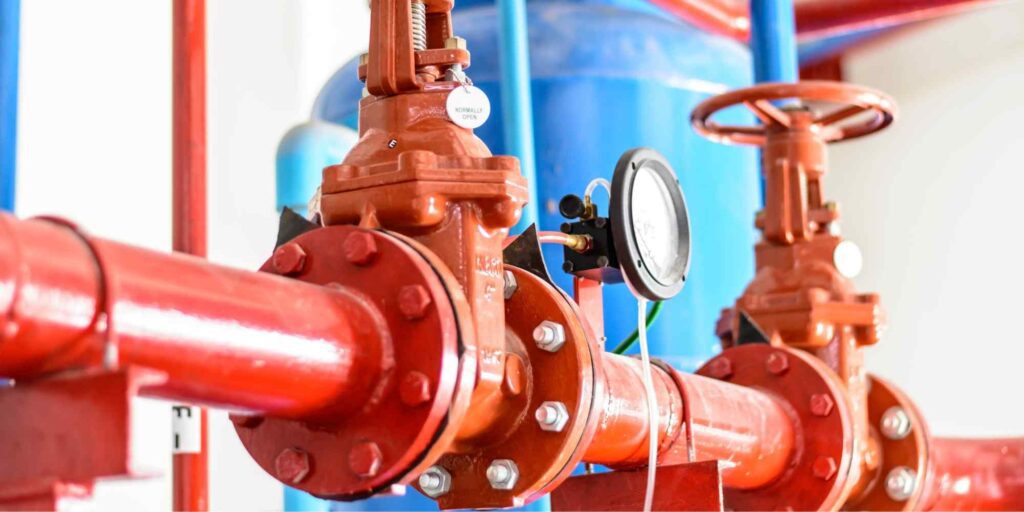
Fire Suppression System Engineering & Design
Automatic fire suppression systems are one of the most effective ways to protect occupants, limit property loss, and support firefighter operations during a developing fire. Zari Consulting Group provides fire suppression system design and fire suppression system testing support for commercial buildings, led by experienced Fire Protection Engineers.
We deliver permit-ready, bid-ready suppression design packages that help project teams move through plan review efficiently and install systems that perform reliably over the life of the building.
Fire Sprinkler System Design (NFPA 13) and More
The most common suppression approach in commercial buildings is an automatic fire sprinkler system. Sprinkler systems are typically designed and installed in accordance with NFPA 13, and real-world performance depends on correct hazard classification, water supply assumptions, hydraulic calculations, and constructable layout coordination.
In addition to sprinkler systems, many facilities also require specialized suppression solutions for high-value areas, unique hazards, or mission-critical operations. We help owners select and document the right strategy—then engineer the system design to match.
Types of Fire Suppression Systems We Design
Zari Consulting Group can provide a complete bid package or engineered shop drawing support for permit for a wide range of suppression systems, including:
- Fire sprinkler systems: wet-pipe, dry-pipe, pre-action, and deluge systems
- Clean agent systems for sensitive/high-value spaces (selected based on the project hazard and operational needs)
- Low- and high-expansion foam systems where foam suppression is appropriate
Fire Suppression Design Deliverables
Our fire suppression engineering support is structured to meet permitting requirements and support contractors during installation. Deliverables commonly include:
- Schematic design, design development, and construction document support
- Basis-of-design narratives and performance criteria
- Hydraulic calculations and supporting assumptions
- Hanger and sway brace layout guidance and calculations (as applicable)
- Details and specifications to improve constructability and bid clarity
We also support coordination with architectural and MEP systems so suppression components align with ceiling layouts, equipment rooms, shafts, and other building constraints.
Testing, Site Support, and Acceptance
Fire suppression design is only successful if the system can be verified and accepted. Zari Consulting Group supports projects through construction and closeout, including:
- Site investigations during construction (including mid-point and near-completion reviews)
- Waterflow testing support and documentation review (as applicable)
- Contractor coordination: submittal reviews, RFIs, and constructability input
- System acceptance testing support and closeout documentation review
- Existing system evaluations to identify performance or compliance gaps
Hire a Fire Protection Engineer
If you need fire suppression system design, fire sprinkler engineering, or testing support for a commercial building, Zari Consulting Group is ready to help.
Call: (888) 779-3397
Or: Use the form on this page to request an SOQ or discuss your project with a Fire Protection Engineer.
Fire Suppression System Design FAQ
What is the difference between fire sprinkler design and fire suppression design?
Fire sprinkler design is one type of fire suppression design. “Fire suppression” is a broader term that can include sprinkler systems as well as clean agent systems, foam systems, and other specialized extinguishing approaches used for specific hazards.
When do commercial buildings typically require fire sprinkler systems?
Requirements vary by jurisdiction, occupancy, building size, and use. Many commercial buildings require sprinkler protection, and tenant improvements or changes in use can also trigger sprinkler or suppression upgrades.
What does NFPA 13 cover?
NFPA 13 is the primary standard governing the design and installation of automatic sprinkler systems. It includes requirements related to hazard classification, system types, water supply, hydraulic calculations, and installation criteria.
Do you provide hydraulic calculations?
Yes. Hydraulic calculations are a key part of sprinkler and suppression system design, and they help confirm the system meets required performance based on water supply, hazard classification, and system layout.
When should a clean agent system be considered?
Clean agent systems are commonly used in high-value or sensitive spaces where water discharge could cause significant damage (for example, certain electrical, control, or specialty areas). System selection depends on hazard, operational needs, and code requirements.
Can you evaluate an existing fire sprinkler or suppression system?
Yes. We can review documentation, assess system performance and compliance, and help develop an upgrade strategy—especially during renovations, expansions, or changes to building use.
Do you support acceptance testing and closeout?
Yes. We support acceptance readiness and documentation review, and we help coordinate testing requirements so the system can be verified and approved.
What deliverables should I expect from suppression system engineering?
Deliverables often include basis-of-design criteria, drawings or bid documents, specifications, hydraulic calculations, and coordination support through submittals, RFIs, and acceptance documentation.