

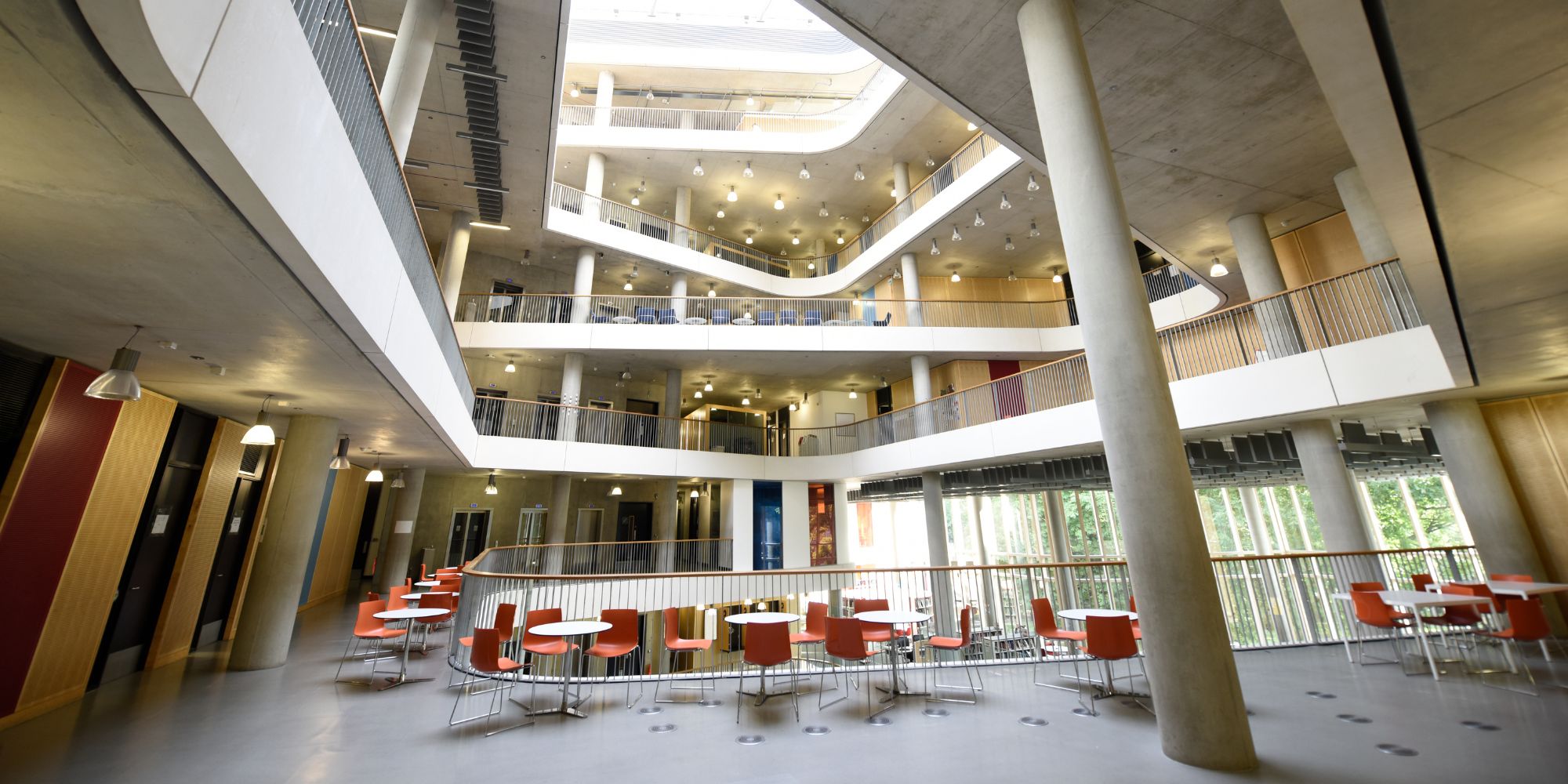
When Fire Protection Architecture Quietly Drives the Design
On complex projects, the most consequential design decisions are often made in response to fire and life safety constraints, whether anyone calls it “fire protection architecture” or not.
If you’ve ever watched a beautiful atrium shrink during design development, or relocated a communicating stair after an AHJ comment, you’ve seen it in action. Egress rationales, compartmentation lines, smoke control strategies, and façade fire performance are all quietly shaping the architecture long before construction.
From our perspective as fire protection engineers and fire protection consultants, the most successful projects are the ones where those constraints become part of the design language, not just another round of redlines.
This article looks at patterns we see across high-occupancy, mixed-use, and code-driven work, and how design leaders are using fire protection architecture as a strategic tool rather than a necessary evil.
Fire Protection Architecture Beyond Code Minimums
At one level, fire and life safety is simple: meet the code.
But on real projects with real ambitions, “code minimum” quickly stops being useful as a design target. Architects are balancing view corridors, circulation experience, rentable area, and brand identity, all inside a regulatory environment that was not written with your specific building in mind.
In that context, fire protection architecture becomes the framework that lets you:
- Keep big moves like atria, interior bridges, and multi-level lobbies viable
- Maintain openness while still achieving defensible means of egress
- Use performance-based tools to argue for equivalency where prescriptive paths would compromise the design
We regularly see projects where a modest investment in early fire and life safety strategy prevents months of redesign later. It’s not about sprinkling in more devices or thickening a wall; it’s about making fire safety part of the design logic from the start.
Where Projects Get Stuck: What a Fire Protection Consultant Sees Repeatedly
Experienced architects know the basics. Where we’re often called in as fire protection consultants is when the project hits friction, typically in the same three areas.
Late-Stage Egress Re-Work
The story is familiar:
- Early diagrams assume a certain occupant load and intuitive stair strategy.
- The program evolves, occupants increase, and floor plates get denser.
- Only in design development or permit does the team see the full implications for stair count, travel distance, or remoteness.
At that point, even small changes to the egress strategy (adding a stair, reorienting corridors, consolidating exits) can ripple across structure, cores, and leasing plans.
Design teams that treat egress as part of fire safety architecture from the first massing discussions have more flexibility. We help them:
- Use realistic occupant load assumptions
- Test different stair configurations early
- Explore performance-based egress analyses when prescriptive rules are at odds with the design intent
Atria, Voids, and the “Big Move”
A large volume such as an atrium, stacked lobby, or interconnecting stair is often the heart of the architectural story. It is also where smoke, heat, and visibility for first responders become the most complex.
Where projects get stuck is not just in the math of smoke control, but in the narrative: “Why is this configuration safe?” and “How will it perform under realistic fire scenarios?”
Thinking about fire safety architecture in these spaces means:
- Defining the role of the atrium early, including circulation, gathering, daylight, and brand
- Understanding what types of smoke control approaches are plausible for that volume
- Anticipating how those strategies will affect mechanical space, ceiling heights, and façade or roof openings
When that dialogue happens at concept instead of during peer review, the “big move” has a much better chance of surviving intact.
Adaptive Reuse and Existing Fire Safety Architecture
Existing buildings come with inherited fire protection architecture such as compartment lines, rated shafts, mixed documentation, and sometimes systems that have been altered piecemeal over decades.
In adaptive reuse, we’re often asked to help answer questions like:
- What can we keep and credibly defend to the AHJ?
- What must be brought up to current standards because of program changes?
- Where is it more cost-effective to accept a fire wall or rated separation and treat the building as multiple fire areas?
Reading the “bones” of existing fire safety architecture and aligning it with the new program is where due diligence, code consulting, and design strategy converge.
Emerging Themes in Fire Safety Architecture
Across project types, a few themes keep resurfacing where fire protection architecture is playing an outsized role.
Tall and Hybrid Structures
Hybrid systems such as steel and mass timber or existing concrete plus new vertical additions are raising fresh questions about:
- Vertical compartmentation and continuity of rated assemblies
- Exterior wall fire performance, especially at interfaces between systems
- How egress strategies adapt when structural systems change mid-height
Here, fire safety architecture is often the discipline that keeps long-term adaptability and future code cycles in mind.
Program Stacking and Mixed Use
Stacking retail, assembly, residential, lab, and office functions in one volume is now commonplace. The challenge is not just code compliance; it is maintaining clarity of circulation and separation in the experience of the building.
We see design leaders using fire safety architecture as the underlying structure for those decisions:
- Accepting certain fire walls or horizontal separations as fundamental organizing elements
- Locating high-risk or high-occupancy uses where they’re easiest to protect and evacuate
- Designing lobbies and shared spaces with egress, smoke movement, and fire department operations in mind
Performance-Based Design as an Enabler
Performance-based design is sometimes treated as a last resort, reserved for “problem” projects. In practice, it can be a generative tool:
- Preserving openness in spectator concourses or major assembly spaces
- Justifying unconventional egress solutions that align better with intuitive movement
- Evaluating smoke control strategies for complex volumes in a way that reflects real fire dynamics, not just rule-of-thumb assumptions
Used well, performance-based techniques turn fire protection architecture into a way to preserve design intent instead of trimming it down.
Treating Your Fire Protection Consultant as a Design Collaborator
On complex work, the most effective fire protection consultant on the team is less a checker and more a co-author of the fire and life safety narrative.
That collaboration often looks like:
- Concept-phase code and egress strategy sessions that run in parallel with massing studies
- Quick feasibility passes on options (for example, “If we connect these levels, what happens?” or “If we shift the atrium location, what does that buy us?”)
- Joint meetings with AHJs where the architect leads on experience and use, and the consultant leads on technical justification
The result is a more coherent fire protection architecture story, internally for the design team and externally for reviewers and operators.
Questions Design Leaders Ask About Fire Safety Architecture
One of the markers of a mature approach is the questions the design team is asking early on. We increasingly hear architects frame conversations around fire and life safety in these terms:
- “If this is our primary architectural stage, what does that demand from the fire and life safety strategy?”
- “Where do we want to spend our complexity budget, on smoke control, egress, compartmentation, or façade performance?”
- “If we choose this performance-based path, how resilient is it to future code changes and phased renovations?”
- “What story do we want to tell the AHJ about why this is not just compliant on paper, but safer in practice?”
- “How can our fire protection consultant help us pressure-test these options before we commit them to drawings?”
Framing conversations this way keeps fire safety architecture at the level of design strategy, not just code interpretation.
How Zari Approaches Fire Protection Architecture on Complex Projects
At Zari Consulting Group, our work in fire protection architecture spans new construction, adaptive reuse, and existing building portfolios. In each case, our goal is the same: align life safety strategy with the project’s architectural and business objectives.
Typical ways we support design teams include:
- Early Code and Strategy Workshops: working with architects to map out feasible code paths, identify pressure points, and define where performance-based approaches may be worth pursuing.
- Egress and Smoke Control Feasibility: testing egress concepts, stair strategies, and smoke control narratives early, before they are embedded in structure and systems.
- Performance-Based Fire Engineering: developing analyses and documentation that support non-prescriptive solutions where design intent and prescriptive code diverge.
- Existing Building and Due Diligence Support: evaluating inherited fire safety architecture in existing buildings and adaptive reuse projects, and recommending paths that balance safety, cost, and constructability.
The common thread is treating fire and life safety as an integral part of the design process, not an afterthought.
Next Steps for Architecture Teams
If your next project involves bold moves, complex program stacking, or anticipated negotiation with the AHJ, it is worth treating fire protection architecture as a design track from day one.
Some practical starting points include:
- Including fire and life safety strategy in your earliest internal design reviews.
- Bringing a fire protection consultant into concept or schematic phase for projects where you already sense complexity.
- Using targeted workshops to explore egress, smoke control, and compartmentation options alongside massing and program studies.
If you’d like to talk through a specific project or simply compare notes on themes you’re seeing in your practice, you can reach our team through our Contact page. We are always interested in collaborating with architects who see fire safety architecture as part of the design conversation, not just the permit process.

