

As the roar of the crowd echoes through the massive domes of NFL stadiums, fire protection engineers work tirelessly behind the scenes to ensure that game day excitement doesn’t turn into a safety nightmare. These unsung heroes design and implement critical systems like smoke control, fire alarm design, and code compliance measures that protect tens of thousands of fans, players, and staff. In the high-stakes world of professional football, where indoor arenas pack in up to 82,500 spectators—like at AT&T Stadium in Arlington, Texas, the NFL’s largest by seating capacity—robust fire safety isn’t just a regulation; it’s a lifesaver. At Zari Consulting Group, our team of certified fire protection engineers has decades of experience safeguarding large venues, including high-profile projects like the Chase Center and University of Nebraska’s Memorial Stadium. In this blog, we’ll explore how these experts keep NFL fans safe, focusing on fire protection engineering, smoke control, fire alarm design, and code compliance in the league’s largest indoor stadiums.
The Unique Challenges of Fire Safety in NFL’s Largest Indoor Stadiums
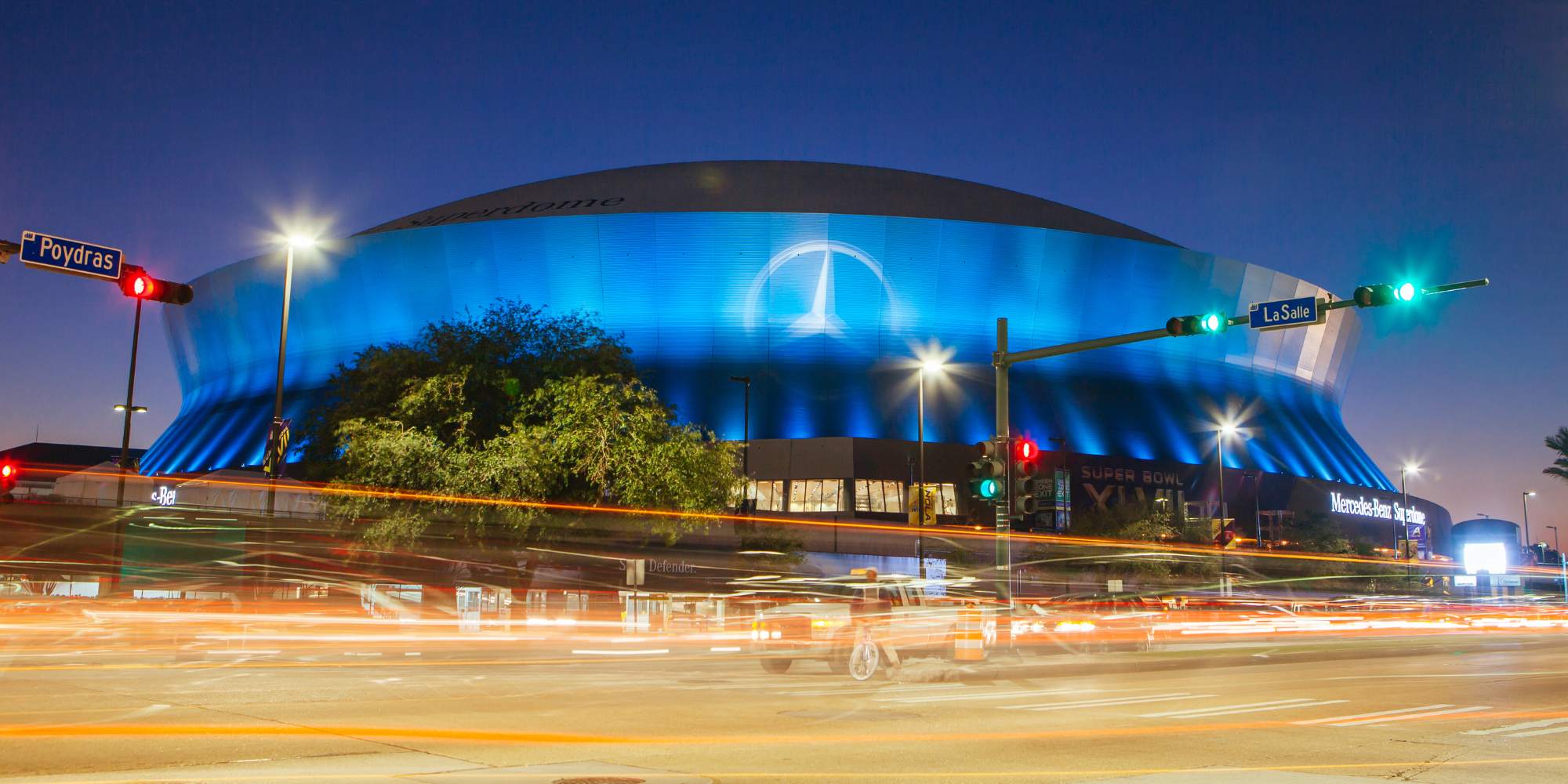
The NFL boasts 30 stadiums, with 10 featuring domes or roofs that create fully enclosed environments, shielding fans from weather while amplifying the need for advanced fire protection. These indoor venues, such as the Caesars Superdome (home to the New Orleans Saints, capacity 73,208) and U.S. Bank Stadium (Minnesota Vikings, 66,860 seats), host massive crowds in controlled atmospheres where smoke and heat can accumulate rapidly. Unlike outdoor fields, enclosed spaces demand sophisticated smoke control systems to prevent toxic fumes from spreading, ensuring clear evacuation paths for up to 80,000+ people.
Fire protection engineers must navigate stringent regulations from the International Building Code (IBC), National Fire Protection Association (NFPA) standards, and local authorities. For instance, NFPA 101 (Life Safety Code) requires life safety evaluations for assembly occupancies over 6,000 people, including assessments of fire hazards, egress routes, and building systems. In these massive structures, challenges include high occupant loads, complex layouts with suites, concourses, and field-level seating, and potential ignition sources like electrical systems, concessions, and pyrotechnics. Without proper code compliance, a small incident could escalate quickly, as seen in historical stadium fires worldwide that underscored the need for proactive engineering.
Zari Consulting Group understands these risks intimately. Our fire protection engineers use advanced tools like fire modeling software to simulate scenarios, ensuring designs exceed minimum requirements while maintaining the architectural vision of iconic venues.
Key Fire Protection Systems: Smoke Control and Fire Alarm Design
At the heart of NFL stadium safety are two critical elements: smoke control and fire alarm design. These systems are engineered to detect threats early, contain hazards, and facilitate rapid response.
Smoke Control: Containing the Invisible Threat
In enclosed NFL stadiums, smoke from a fire can reduce visibility and displace oxygen, turning a manageable situation deadly. Smoke control systems—mandatory under IBC Section 909 for high-rise or large-volume spaces—use mechanical ventilation, pressurization, and exhaust fans to manage smoke layers, directing it away from exits and safe zones. For example, in domed venues like Allegiant Stadium (Las Vegas Raiders, 65,000 seats), engineers design zoned systems that activate during emergencies, creating smoke barriers and maintaining tenable conditions for evacuation.
Fire protection engineers like those at Zari Consulting Group specialize in smoke control design and testing. We employ computational fluid dynamics (CFD) modeling to predict smoke movement, ensuring systems meet NFPA 92 standards for smoke control in assembly occupancies. Our work at the Chase Center, the state-of-the-art arena for the Golden State Warriors, involved designing and specially inspecting smoke control systems for the 18,000-seat venue and adjacent office towers. This included integrating fans, dampers, and controls to handle the arena’s unique layout, including underground parking and public plazas. Similarly, at University of Nebraska’s Memorial Stadium—an outdoor icon with over 85,000 seats—our team provided fire protection consulting to enhance code compliance during expansions, focusing on smoke management in enclosed areas like suites and concourses. These projects demonstrate how tailored smoke control prevents smoke migration, buying critical time for fans to exit safely.
Fire Alarm Design: Early Detection and Rapid Notification
No fire protection system is complete without a reliable fire alarm design. In NFL stadiums, alarms must cut through crowd noise, integrating voice evacuation systems for clear instructions. NFPA 72 mandates early detection via smoke and heat sensors, especially in high-risk areas like kitchens and electrical rooms. For large indoor venues, systems often include aspirating smoke detection (e.g., VESDA) for precise, zoned alerts.
Engineers design these systems to interface with building management, ensuring seamless activation of sprinklers and smoke controls. At Zari Consulting Group, our fire alarm design services cover everything from bid documents to commissioning, using NFPA-compliant components for reliability. We’ve applied this expertise in projects like the Chase Center, where integrated alarms provide audible and visual notifications across the facility, and Memorial Stadium, where we ensured alarms support safe egress for massive crowds. Code compliance here is non-negotiable—alarms must achieve 75 dB in sleeping or noisy areas, with strobes for ADA accessibility.
Code Compliance: The Foundation of Stadium Safety
Achieving code compliance is the bedrock of fire protection engineering in NFL stadiums. The IBC and NFPA require sprinklers in most enclosed spaces, fire-rated separations to compartmentalize risks, and egress paths accommodating peak loads (e.g., 0.2 inches per occupant for exits). For domes like Ford Field (Detroit Lions, 65,000 seats), compliance involves hydraulic calculations for sprinkler coverage and life safety evaluations under NFPA 101.
Zari Consulting Group’s building code experts excel in this area, navigating UFC for military-adjacent projects and local amendments. We’ve supported code-compliant designs at the Chase Center, verifying sprinkler and alarm systems met California codes, and at Memorial Stadium, where our Nebraska-licensed engineers ensured expansions aligned with state fire marshal requirements. Our approach includes risk assessments, equivalency analyses via fire modeling, and ongoing inspections to maintain compliance post-occupancy.
| Key Fire Protection Elements | Description | NFL Stadium Example | Zari Consulting Role |
|---|---|---|---|
| Smoke Control | Ventilation and pressurization to manage smoke spread | U.S. Bank Stadium’s zoned exhaust fans | Design and special inspection at Chase Center |
| Fire Alarm Design | Detection, notification, and integration with PA systems | Caesars Superdome’s voice evacuation | Full system design and testing for code compliance |
| Sprinklers & Suppression | Automatic water or clean agent systems for fire control | Allegiant Stadium’s pre-action sprinklers | Hydraulic calculations and commissioning |
| Egress & Compartmentation | Clear paths and fire barriers for safe evacuation | MetLife Stadium’s multiple remote exits | Egress modeling and life safety plans |
| Code Compliance | Adherence to IBC, NFPA, and local regs | All domed venues require LSEs | Consulting and AHJ coordination |
This table highlights how integrated systems ensure layered protection, with our expertise minimizing disruptions while maximizing safety.
Zari Consulting Group’s Expertise: Safeguarding Venues Like Chase Center and Memorial Stadium
With over 30 years in fire protection engineering, Zari Consulting Group has a proven track record in large-scale projects. At the Chase Center, we designed smoke control systems for the arena’s 900,000 sq ft, including special inspections to verify performance under NFPA standards. This ensured fans at Warriors games enjoy a safe, immersive experience without compromising the venue’s innovative design.
Similarly, our work at University of Nebraska’s Memorial Stadium involved fire protection consulting for expansions, focusing on code compliance for smoke control and alarms in high-occupancy areas. Though primarily outdoor, its enclosed elements—like luxury suites—required the same rigorous engineering as NFL domes. These projects exemplify our commitment: using FDS modeling for alternatives, coordinating with AHJs for permits, and providing cost-effective, sustainable solutions.
Conclusion: Prioritizing Safety for the Thrill of the Game
Fire protection engineers are the guardians of NFL game days, blending cutting-edge smoke control, precise fire alarm design, and unwavering code compliance to protect fans in the league’s largest indoor stadiums. As venues like the Caesars Superdome and U.S. Bank Stadium continue to evolve, expert guidance ensures safety keeps pace with spectacle. At Zari Consulting Group, we’re proud to contribute to this vital work, from our designs at Chase Center to consultations at Memorial Stadium. Whether you’re planning a new build or retrofit, our fire protection engineers deliver innovative, compliant solutions to keep crowds safe and cheers resounding.
Ready to enhance your venue’s fire safety? Contact Zari Consulting Group at zaricode.com or call 1-888-779-3397 for a free consultation. Let’s engineer a safer tomorrow, one stadium at a time.