
Across California—especially in Los Angeles County—commercial property owners are entering a “two-track” reality in 2026:
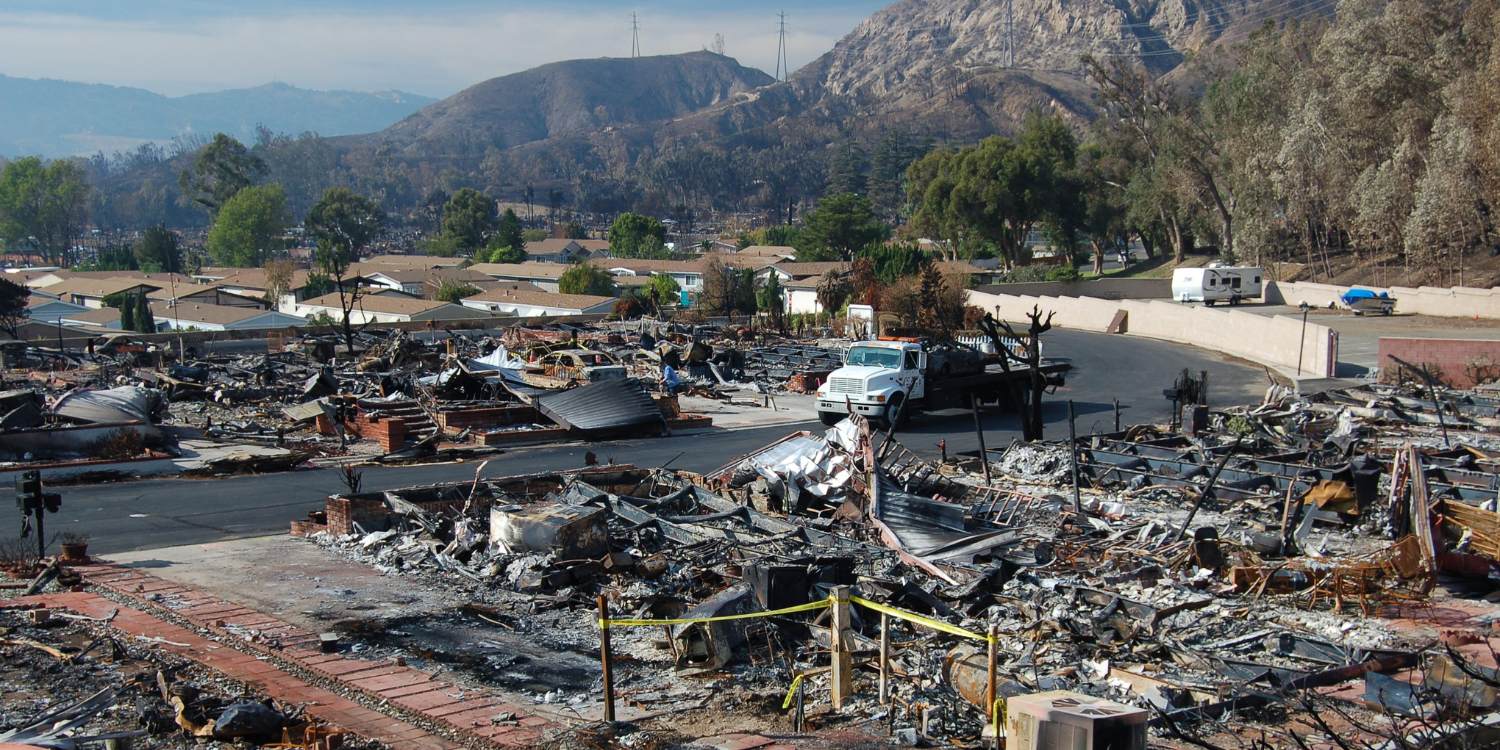
- Many buildings are being repaired, restored, or re-tenanted after wildfire impacts (direct fire damage, smoke damage, utility disruption, and changing occupancy needs).
- At the same time, California’s next code cycle takes effect on January 1, 2026, changing the baseline requirements for new permit applications.
For owners, developers, and property managers, this can create expensive surprises during plan check—especially when “repair” work becomes a tenant improvement, an occupancy change, or a “scope creep” project that triggers additional compliance requirements.
This guide explains what’s changing in 2026, where owners get stuck, and how a Fire Protection Engineer helps you move faster with fewer redesigns.
What changed on January 1, 2026 in California?
California updates its Building Standards Code (Title 24) on a regular cycle. The 2025 California Building Standards Code is scheduled to be published in 2025 with an effective date of January 1, 2026. That means many jurisdictions will apply the updated code set to permit applications submitted on or after January 1, 2026.
In parallel, Los Angeles County has communicated that the California Fire Code update takes effect July 1, 2025 and that the Los Angeles County Fire Code becomes effective January 1, 2026. Local adoption timing and local amendments matter—especially in very high fire severity zones and interface areas.
Bottom line: if you are planning 2026 work, don’t assume last year’s plan check expectations will hold—especially for fire alarm, sprinkler, and egress requirements.
Why code-cycle timing matters for post-fire repairs and tenant improvements
Owners often think in categories like “repair,” “restore,” or “reopen.” Plan reviewers and AHJs often think in categories like:
- New work vs. existing conditions
- Alterations / tenant improvements
- Change of occupancy
- Change in occupant load
- Modifications to fire protection systems (alarm, sprinkler, standpipe, smoke control)
After a major incident, commercial projects frequently expand beyond the original scope (new tenant needs, new layouts, new MEP systems, new separations). That’s when a project that started as “restore what was there” becomes a project that must meet additional requirements under the current adopted code set.
Common “gotchas” for commercial buildings in 2026 plan check
1) Fire alarm changes that trigger full design coordination
Re-tenanting, demising walls, and MEP updates often require device relocations, notification coverage checks, and updated sequences (including elevator interfaces, smoke control interfaces, and emergency communications where applicable). Even “minor” renovations can create a full coordination exercise when floor plans change.
2) Sprinkler modifications and hydraulic re-evaluations
Tenant layout changes can affect sprinkler head spacing and hazards. Projects can also trigger impairment planning and documentation requirements during restoration work. If your building had partial damage, you may also need to address inspection/testing implications before reoccupancy.
3) Egress and occupant load surprises
New tenant layouts often change occupant load calculations, exit access travel distances, and door hardware requirements. This is one of the fastest ways a project gets “kicked back” late—especially when it intersects with accessibility upgrades and MEP penetrations.
4) Fire department access and water supply considerations
Post-fire conditions can expose issues owners never had to confront before: access constraints, hydrant spacing, fire flow documentation, or construction-phase access plans. Even if the building isn’t new, the project scope may require additional documentation and coordination.
How a Fire Protection Engineer reduces redesign cycles (and speeds permitting)
A Fire Protection Engineer (FPE) adds leverage in three ways:
- Code strategy up front: Identify which parts of your scope trigger upgrades and which parts can remain existing—before you spend money on drawings that won’t pass plan check.
- System coordination: Align fire alarm, sprinkler, standpipe, smoke control (if applicable), and life safety features with architectural and MEP decisions.
- Clear documentation for reviewers: A well-documented basis of design and clear narratives reduce back-and-forth, RFIs, and resubmittals.
If your goal is to reopen quickly, the strategy is simple: de-risk the permit set before submission, and avoid scope decisions that unintentionally trigger broader upgrades.
2026 planning checklist for California commercial owners
- Confirm the jurisdiction and AHJ (city vs county; fire authority; special districts) and which code edition applies to your submission date.
- Decide whether your work is truly repair/restoration or if you are effectively doing a tenant improvement or occupancy change.
- Inventory your existing fire/life safety systems: fire alarm, sprinklers, standpipe, smoke control (if applicable), and maintenance/testing history.
- Plan for construction-phase impairment management if systems will be down during work.
- Bring an FPE into early design decisions—before architectural layouts lock in.
How Zari Consulting Group helps California commercial building owners
Zari Consulting Group has a long history of fire protection engineering and code consulting in California, supporting commercial projects with:
- Fire alarm system design and review
- Fire sprinkler / suppression design coordination
- Life safety and code compliance strategies
- Smoke control design support (where applicable)
- Permit-ready documentation for plan check and AHJ review
If you’re planning a 2026 permit submission (repair, TI, or rebuild), we can help you confirm what applies and reduce redesign cycles.
Contact Zari Consulting Group
|
Fire Protection Engineering Services
FAQ: 2026 code changes and commercial restoration work
Does the new code apply if I’m only repairing damage?
It depends on the scope and how the AHJ classifies the work. True like-for-like repairs may be treated differently than tenant improvements, reconfigurations, or changes in use. The submission date and jurisdiction’s adopted code edition also matter.
Can tenant improvements trigger sprinkler or fire alarm upgrades?
Yes. Layout changes, hazard changes, and system modifications can trigger design coordination and documentation requirements—especially when combined with occupancy and egress changes.
What’s the simplest way to avoid late plan check surprises?
Have a Fire Protection Engineer review the project scope and concept drawings early, confirm the applicable code edition for your submission date, and document the basis of design in a way that plan reviewers can quickly validate.
Reference Sources
Sources used to ground the “2026 update timing” statements:
- California Building Standards Commission (Title 24 effective date):
California Building Standards Code (Title 24) information - Los Angeles County recovery guidance (California Fire Code update timing and LA County Fire Code effective date):
LA County Rebuilding – Resilient Rebuilding (Buildings) - City of Los Angeles / LAFD report noting local adoption timing tied to the CA Fire Code cycle:
LAFD Proposed 2026 Los Angeles Fire Code (Board Report PDF)